

Smart Pub Renovation Ideas for a Stylish, Functional and Welcoming Space

A good pub renovation does more than make the room look new. It improves how people move, how staff work, how long guests stay, and how the place feels on a wet Tuesday as much as a packed Saturday night.
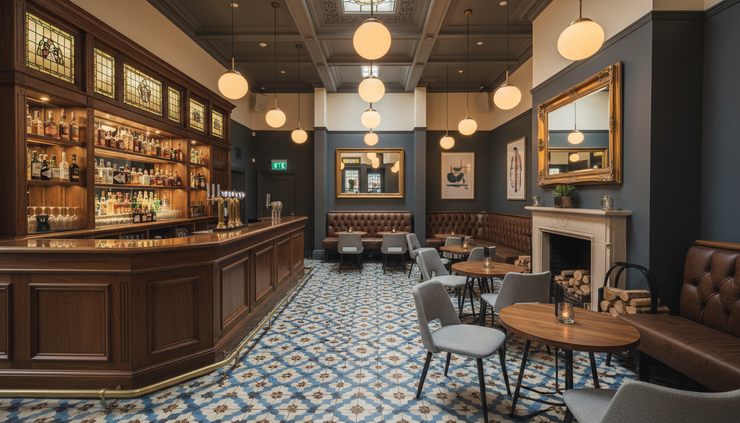
The best results come from clear choices. Keep the character people already love, fix the parts that slow service or feel tired, and add modern comforts without turning the pub into somewhere unrecognisable. Any serious refurbishment plan should discuss the importance of maintaining a balance between tradition and contemporary style, because the strongest pubs feel familiar and fresh at the same time.
Start with the layout before choosing finishes
Paint colours and furniture matter, but layout does the heavy lifting. A pub can have beautiful tiles, smart lamps and a polished bar, yet still feel awkward if customers queue in the wrong place or staff keep crossing busy walkways.
Begin with a simple question: where do people naturally want to go?
Most pubs need clear answers for these areas:
The entrance and greeting point
The main bar and ordering zone
Standing space for quick drinks
Comfortable seating for longer visits
Dining areas, if food is part of the offer
Routes to toilets, outdoor space and exits
Staff movement behind and between service points
A well-planned entrance should make the pub easy to read. Guests should know whether to wait to be seated, order at the bar, or choose a table. This can be done with lighting, flooring, host stands, planting, or subtle signage.
The bar is usually the key feature. It should look inviting, but it also needs to work hard. Think about the position of tills, glasswashers, fridges, coffee equipment, handwash basins and back-bar storage. Staff should not have to walk three metres for every pint glass or squeeze past each other during the Friday rush.
For customer areas, create a mix of seating. One long row of identical tables rarely suits the way people use pubs. A strong layout often includes:
Small tables for couples and solo visitors
Larger tables for groups and dining
High stools near the bar for brief visits
Banquettes for comfort and space saving
A quieter corner for older guests or relaxed meals
Flexible furniture for quizzes, live music or private bookings
Accessibility should sit at the centre of the plan, not be added at the end. Step-free routes, sensible spacing between tables, clear toilet access and easy-to-read wayfinding make the pub better for everyone. They also prevent the room from feeling cramped.
If the building is a traditional pub with narrow rooms or odd corners, use those quirks well. A small snug can become a sought-after seating area. An underused fireplace wall can become a cosy focal point. A corridor can be improved with mirrors, artwork and better lighting rather than treated as wasted space.
Use lighting to shape the mood through the day
Lighting can make or break a pub refurbishment. It affects the atmosphere, the perceived quality of the space, and how comfortable guests feel. Too bright, and the room feels harsh. Too dim, and menus become hard to read and corners feel neglected.
Good pub lighting usually works in layers.
Ambient lighting gives the room its general glow. This might come from ceiling pendants, wall lights, concealed LED strips or decorative fittings.
Task lighting helps people see what they are doing. It works well over tables, the bar, steps, till areas and food service points.
Accent lighting draws attention to the best features, such as back-bar shelving, exposed brick, beams, artwork, fireplaces or bottle displays.
Dimmers are a small detail with a big effect. The lighting level that works for a Sunday lunch will feel wrong at 9 pm on a winter evening. Scene settings let staff change the mood without adjusting every switch one by one.
Colour temperature matters too. Warm white light usually suits pubs better than cool white light. It flatters timber, brick, brass and upholstery, and it gives the space a calmer feel. Cooler lighting may suit back-of-house areas, kitchens and cellar routes, but it can feel clinical in guest areas.

Natural light deserves just as much attention. If the pub has large windows, avoid blocking them with heavy furniture or dark window dressings. Use curtains, blinds or frosted panels where privacy matters, but let daylight reach deep into the room where possible.
For darker pubs, mirrors can help bounce light around, especially when placed opposite windows or warm wall lamps. Glossy tiles behind the bar can do the same, while also adding texture.
Outdoor lighting should feel safe and inviting without flooding the area. Wall lanterns, festoon lights, low-level path lights and sheltered table lamps can make a beer garden or courtyard usable for more of the year. In many UK towns, where evenings can be damp and dark for long stretches, this can add real value.
Choose colours and materials that respect the building
A pub does not need to look old-fashioned to respect its past. The trick is to keep the details that give the building its soul, then pair them with cleaner, more current choices.
Original beams, fireplaces, stained glass, timber panelling, tiled entrances and old brickwork are worth protecting where they are in good condition. They give the pub depth that cannot be copied with new decoration alone.
That said, tradition should not mean heavy and gloomy. Many older pubs suffer from too much dark brown, poor lighting and worn flooring. A refreshed palette can lift the whole space while still feeling right for the setting.
Strong colour choices for pubs include:
Traditional base | Contemporary update | Best used for |
Deep green | Soft sage or olive | Snugs, dining corners and panelling |
Burgundy | Berry, rust or clay | Feature walls and upholstery |
Navy | Ink blue or smoky teal | Bar fronts and intimate seating areas |
Cream | Warm stone or oatmeal | Ceilings, trims and low-light rooms |
Dark timber | Natural oak or walnut | Tables, counters and shelving |
Texture often matters more than pattern. Mix smooth, rough, soft and hard surfaces to make the room feel layered. For example, polished timber tables can sit against woven upholstery, limewashed walls, aged brass fittings and quarry tiles.
Flooring needs special care. It must handle spills, heavy footfall, muddy shoes and regular cleaning. Good options include timber, luxury vinyl tiles, stone, porcelain, sealed concrete and traditional patterned tiles. Carpet can work in quieter lounges or dining spaces, but it needs to be chosen for contract use and maintained properly.
Bar fronts are a good place to combine old and new. A classic timber bar can be updated with fluted panels, stone counters, brass rails, glazed tiles or built-in lighting. Keeping the bar’s familiar position may reassure regulars, while the finishes signal that the venue has been cared for.
Wall decoration should feel local and personal rather than generic. Historic photographs, maps, framed beer labels, sporting memorabilia, handmade signs or artwork from nearby artists can add character. Use restraint. Too many items can make a fresh renovation feel cluttered from day one.
Select furniture that supports comfort and turnover
Furniture affects both atmosphere and income. If chairs are uncomfortable, guests leave sooner. If tables are too large, the room loses capacity. If everything is fixed, the pub cannot adapt to events, seasonal changes or different trading patterns.
Start by deciding how each zone should behave.
A bar area may need stools, poseur tables and ledges where people can perch with a drink. A dining area needs stable tables, supportive chairs and enough space for plates, condiments and glassware. A lounge space can take deeper armchairs, sofas and low tables, provided service still runs smoothly.

Banquette seating is especially useful in pubs. It saves space along walls, improves comfort and helps define zones. It can also hide storage or heating elements if designed well. Pair banquettes with movable tables so staff can adjust layouts for groups.
Chairs should be sturdy, easy to clean and light enough for staff to move without strain. Avoid choosing purely on appearance. A chair that looks good but wobbles after a few months will frustrate everyone.
Fabric choices need to match the work the pub does. Leather and faux leather are practical for busy drinking areas. Treated woven fabrics can soften dining rooms and snugs. Darker tones hide marks better, but a room full of dark furniture can feel heavy. Balance them with lighter walls, mirrors, plants or warm timber.
The furniture plan should also consider acoustics. Pubs are social places, but noise can become tiring. Upholstered seating, curtains, rugs in low-spill areas, acoustic panels, timber slats and textured wall finishes can reduce harsh echo. This is especially helpful in refurbishments that introduce hard floors, tiles and open ceilings.
For outdoor areas, choose furniture that suits British weather. Stackable metal chairs, treated timber benches, covered booths, washable cushions and sturdy parasols work better than delicate pieces. If space allows, create at least one sheltered area with heat, light and wind protection.
Add modern amenities without losing the pub feeling
Customers now expect a pub to be comfortable in practical ways. That does not mean filling the room with screens and gadgets. The best modern amenities often disappear into the design and simply make the visit easier.
Useful upgrades include:
Reliable guest Wi-Fi
More power sockets near selected seats
USB charging points in booths or ledges
Contactless payment at every service point
Clear digital or printed menus
Better ventilation and heating control
Accessible toilets with durable finishes
Baby-changing facilities where space allows
Dog-friendly details such as water bowls and easy-clean floor zones
Covered outdoor seating with lighting and heat
Technology should support the pub, not dominate it. Screens may be essential for sports-led venues, but they can ruin the feel of a food-led inn or quiet local if placed carelessly. Where screens are needed, build them into joinery or position them so they serve specific areas rather than taking over the whole room.
Sound systems should also be well planned. One speaker blasting near the bar while the back room sits in silence is a common problem. A zoned audio system lets staff adjust music for different spaces and times of day.
Behind the scenes, modernising services can improve daily trade. Better cellar cooling, efficient refrigeration, induction equipment, LED lighting and improved extraction can reduce waste and make the pub easier to run. These upgrades may not be visible to guests, but they affect speed, consistency and running costs.
Toilets deserve more attention than they often receive. Clean, well-lit, well-ventilated toilets shape how people judge the whole venue. Durable tiles, sensor taps, good mirrors, hooks, shelves and proper lighting all help. A tired toilet area can undo the impact of a beautiful bar.
Modern comfort can also mean better air quality. Pubs with real fires, busy kitchens or low ceilings need good ventilation. Fresh air, steady temperature and fewer draughts make guests stay longer without thinking about why.
Build atmosphere with details people remember
Atmosphere comes from the whole experience. Lighting, colour, music, scent, furniture, temperature and service all work together. A renovation should give staff the right stage to create that experience.
A good starting point is to define the pub’s main identity in plain language. Is it a relaxed village local, a craft beer bar, a family-friendly food pub, a sports venue, a walkers’ stop, or a destination dining pub? Many pubs blend several roles, but one should lead the design.
Once that role is clear, the details become easier to choose.
For a traditional local, keep familiar features and improve comfort. Use warm woods, classic tiles, intimate seating, proper bar stools and local wall pieces.
For a dining-led pub, focus on table spacing, soft acoustics, flattering lighting and chairs that work for a full meal.
For a sports pub, plan sightlines, standing zones, durable surfaces, fast bar service and screens that do not block movement.
For a rural or market town pub, natural materials, boot-friendly flooring, fireside seating and sheltered outdoor areas can feel right without becoming themed.
For a city or student-heavy pub, flexible furniture, strong lighting scenes, charging points and clear service routes often matter more.

Plants can soften hard edges and make newly renovated spaces feel settled. Choose hardy varieties and place them away from busy spill zones. Large planters can also divide areas without building walls.
Fireplaces, whether working or decorative, remain powerful focal points. If a real fire is not practical, a restored surround with candles, stacked logs or soft lighting can still anchor a room.
Scent should be handled with care. A pub should smell clean, warm and appetising, not perfumed. Good ventilation, clean upholstery, fresh timber, coffee and food from the kitchen will do more than artificial fragrances.
Seasonal flexibility is useful too. Design ledges, shelves and focal points where staff can add tasteful seasonal touches without cluttering the whole pub. This keeps the venue feeling alive across Christmas, summer events, quiz nights and local celebrations.
Keep the renovation practical from the start
A stylish pub renovation only works if it can survive real service. Before committing to a design, test every choice against daily use.
Ask practical questions early:
Can staff clean this surface quickly?
Will the flooring cope with spills and heavy use?
Can furniture be repaired or replaced in parts?
Are the main routes wide enough when the pub is full?
Is there enough storage for menus, high chairs, cleaning kit and outdoor cushions?
Will the lighting still work when a bulb fails?
Can the design handle Christmas bookings, match days or rainy bank holidays?
It also helps to renovate in stages if closing fully is not realistic. Some pubs tackle toilets, flooring, lighting or outdoor areas first, then move on to the bar and main rooms. A phased plan needs careful communication and safe site management, but it can protect cash flow.
Budget should be split between visible impact and operational value. Guests will notice paint, lighting, seating and toilets immediately. Staff will feel the benefit of better storage, bar equipment, flooring, ventilation and service routes every shift. Both matter.
The smartest refurbishments avoid short-lived trends. Bold design can work well, but it should connect to the building, the location and the pub’s offer. A look copied from a city cocktail bar may age badly in a village inn. A heavy heritage style may feel false in a newer neighbourhood pub.
Aim for materials that gain character rather than fall apart. Solid timber, stone, tile, brass, leather, good paint and contract-grade fabrics usually age better than flimsy finishes. Build the pub to be maintained, not just photographed on opening night.
A refreshed pub should feel better, not just newer
The best pub renovations keep what people love and improve what gets in the way. They make the bar easier to serve from, the seating more comfortable, the lighting warmer, the toilets better, and the atmosphere more memorable.
Start with the layout. Build the mood with light, colour and texture. Choose furniture that suits real customers and real service. Add modern amenities quietly, so they improve the visit without stealing the character of the place.
A pub does not need to lose its history to feel current. When tradition and modern comfort work together, the result is a space that welcomes regulars, attracts new guests and gives staff a better place to do their best work.


Comments